Posts

Arachnolingo 2, part III: Medically significant, venomous, dangerous: Why should we care?

Image
This is part 3 of an article that was so long it became a trilogy. You can click here for part one , about what "venomous" really means, and here for part two , about the term "medically significant", and how it differs from "venomous" and "dangerous". "Venomous" and "poisonous" don't mean what most people think they mean . What most people actually mean when they use these words generally is " medically significant ". Does it matter that much, though? Is it that important to use "medically significant" instead? If that's what everyone understands when we say "venomous" or "poisonous", why not simply use them that way in everyday conversations, and keep the fancy talk for expert discussions only? Isn't it just pedantic and useless to correct people about it all the time? That would be a fair and valid point, if these words were not purposefully used in the wrong way by p...
Arachnolingo 2, part II: Medically significant, dangerous, deadly

Image
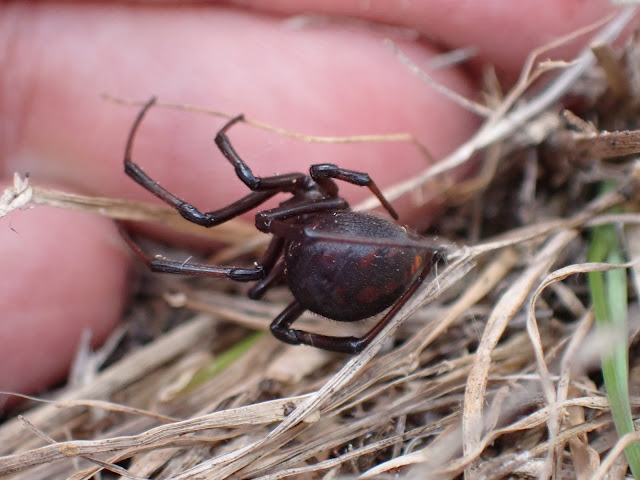
This is part 2 of an article that was so long it became a trilogy. You can click here for part one , which explains what "venomous" really means, and here for part thre e, about why the distinction matters.   Warning: this article shows some images of medically significant animals near human hands. These animals were not being handled, and this is not something I encourage or condone.   "-Is this spider venomous? -It's not medically significant." Unlike "venomous" or "venom", which zoologists try to define based on the  biology and evolution of these substances in the natural world, terms describing the relationship of animals with us, humans, such as "dangerous" or "deadly", are colloquial, so their definitions are not as strict and unified. One could argue, for instance, that any species which has ever killed at least one human being should be deemed "deadly", or that anything that represents any ris...

Arachnolingo 2: Venomous, medically significant, dangerous. Part I: What does "venomous" mean?

Image
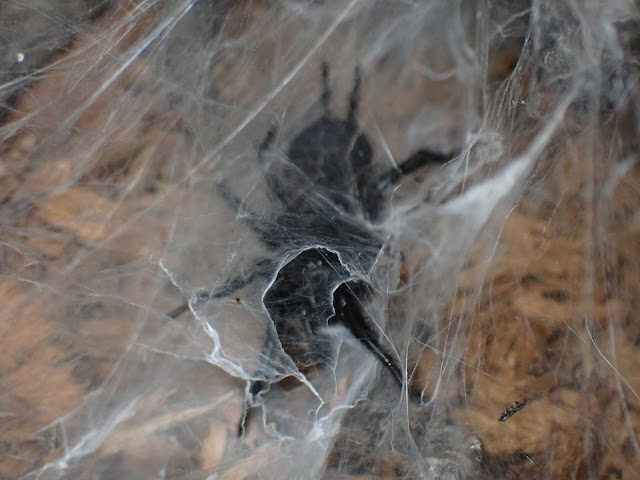
This is part 1 of an article that was so long it became a trilogy. You can click here for part two , about what "medically significant" means and how it differs from "venomous" and "dangerous", and here for part three , which explains why it's important to understand the difference.   "-Is this spider venomous? -It's not medically significant." When you just want to know if you're in any danger around an animal you just found in or near your home, this answer can easily seem needlessly complicated, and even frustrating. It's tempting to assume that the person saying "medically significant" just wants to sound clever by using big words when they could just use simpler terms such as "venomous" or "dangerous". However, these words are not interchangeable, and it's important to avoid mixing them up. Here's why. Almost all spiders, including this trapdoor spider ( Nemesia sp.) are venomous . Howev...

Spider Tales 4: The stuff of (urban) legends: Dissecting three widespread spider myths

Image
Urban legends are fascinating. These pieces of modern folklore are as creepy as they are entertaining, and provide a wonderful insight into how entirely made-up, far-fetched stories, can be believed and passed on, as long as they sound scary and shocking enough. Of course, they are often told for fun and entertainment, but there are also many people who sincerely believe in some of them and accept them as fact. A big part of their impact comes from their tendency to tap into the widespread fears and beliefs of the place and time they exist in. These cultural context elements, which give birth to the urban tales and transpire through them, can be highly specific to one particular location (such as a particularly creepy and mysterious abandoned building in a specific town) or be more vague, and representative of the concerns and anxieties of an entire demographic. The fear of all things foreign and unfamiliar, and of these foreign threats making an unwelcome intrusion in our world of fa...